io.tt: Rebuilding the B2B Platform to Power Connected Experiences


Redesigned and developed a new platform from the ground up in six months, transforming the platform to effectively showcase its potential to clients and investors.
Product
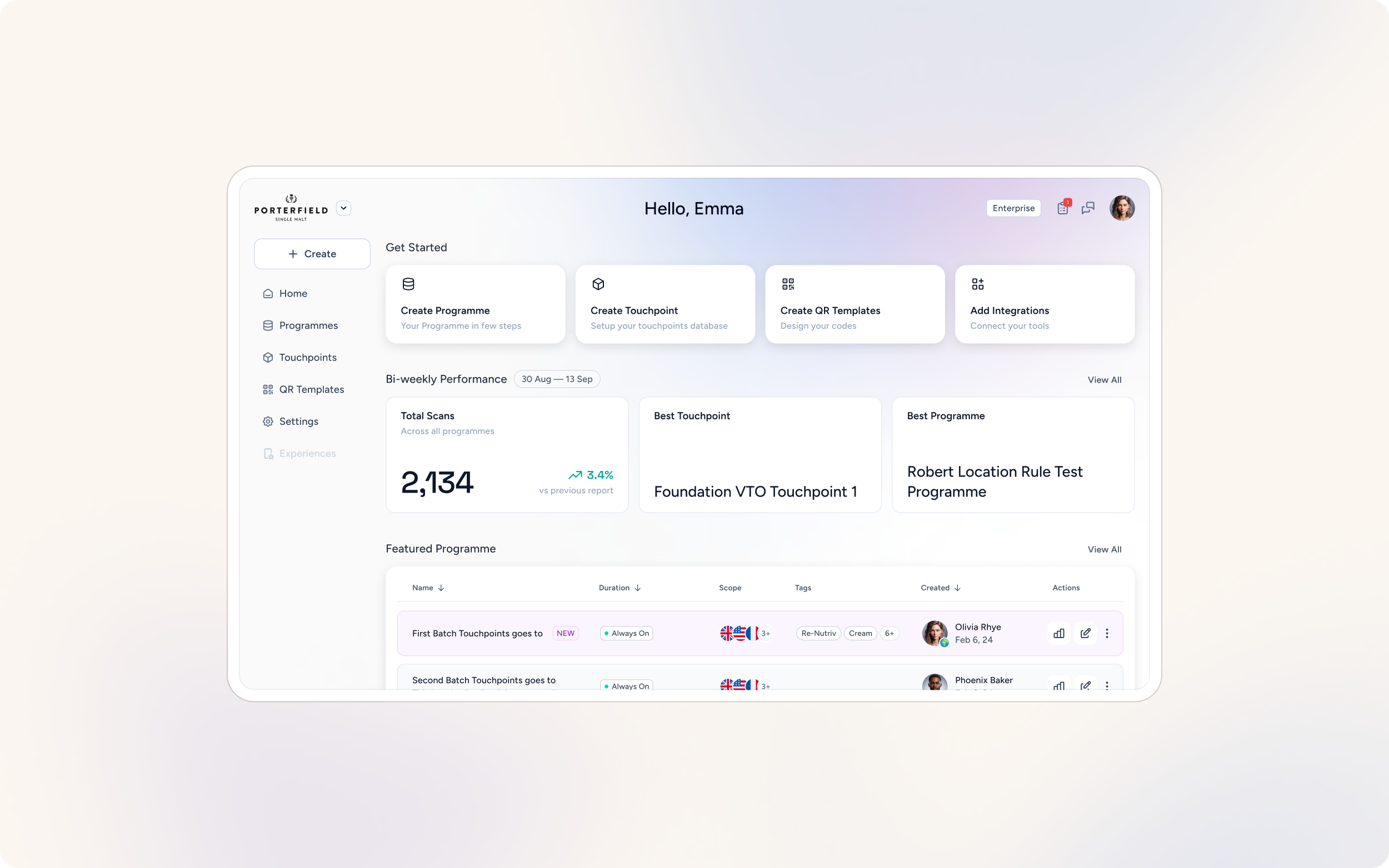
io.tt is a platform helps brands create connected experiences through QR codes, NFC, and AR technology. By integrating these tools into products, packaging, and digital media, io.tt enables brands to boost consumer engagement, enhance loyalty programs, and collect valuable first-party data.
Problem Space
After securing the first round of investment, the product team needed to completely overhaul the platform. The existing version had significant shortcomings: it failed to meet customer expectations, showed low user engagement, lacked competitive features and technical capabilities, looked outdated, and couldn't fulfil new objectives set by investors.
Target
Our goal was to design and launch a new platform version within six months, showcasing its potential to clients and investors. We focused on improving user flows, modernising UI/UX, and enhancing technology integration. These improvements would give brands powerful tools for customer engagement, seamless onboarding, and actionable insights.
My Role
As Senior Product Designer, I led all design processes from start to finish. My responsibilities included UX research, wireframing, creating a new design system, and UI development. This comprehensive approach helped us deliver a new platform that balanced user needs with business goals—all within our tight deadline.
Outcome
These detailed performance metrics highlight the most significant outcomes and achievements observed during the initial six months following the launch of the newly developed platform.
5 new
Clients who signed
off the contract
+4 clients
Who upgraded
to Enterprise Plans
+34.2%
Engagement Rate (avg. DAU & MAU)
Key Stages & Process
Research & Discovery
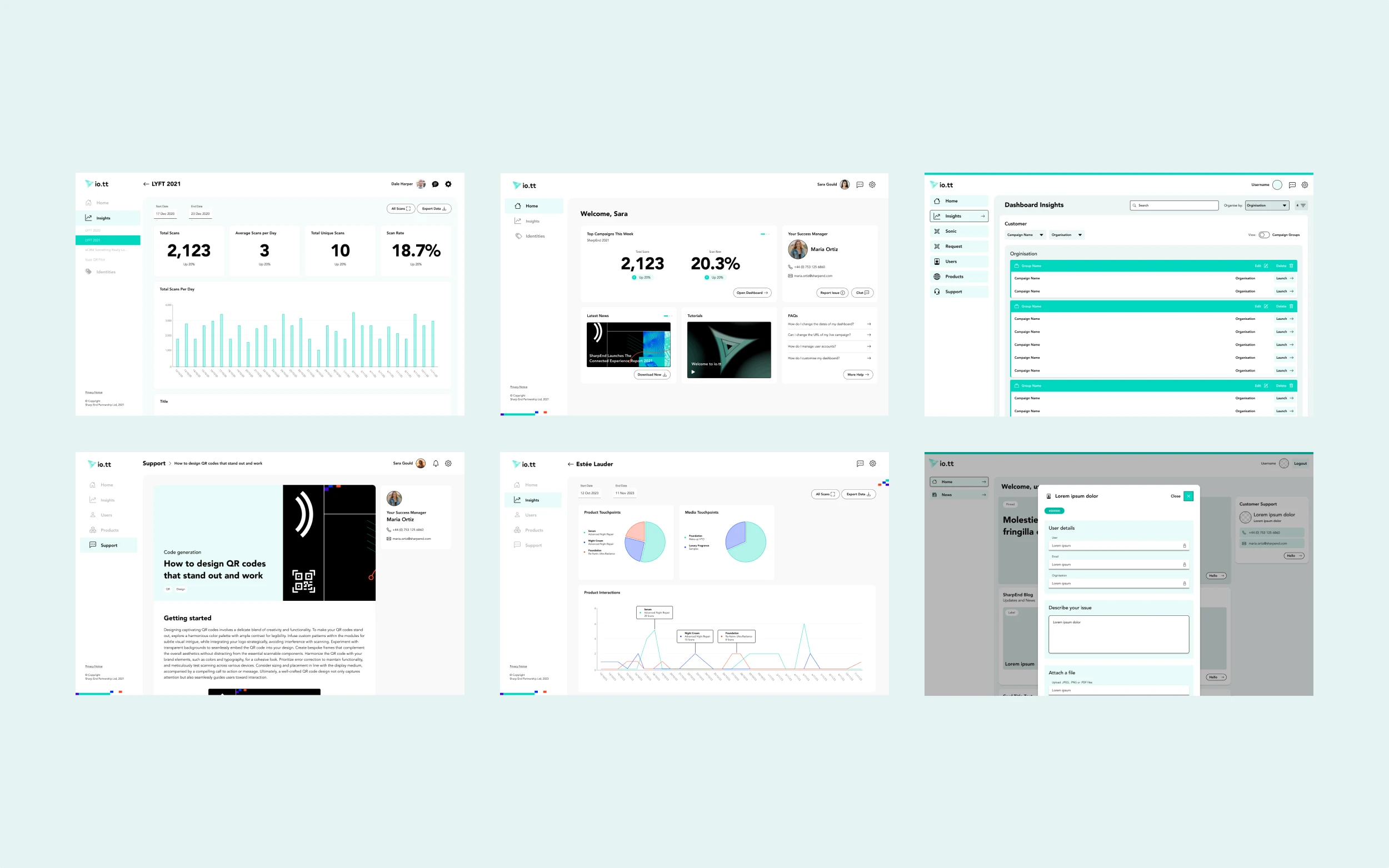
To begin the project, I conducted an in-depth analysis of the existing io.tt platform. By examining its usability, aesthetics, and alignment with both user and business goals, I identified key pain points, inefficiencies, and opportunities that would inform the next-generation product design.
Close collaboration with key stakeholders proved crucial during this phase. Working with Product Leads, Account Managers, Product Managers, and the Marketing team, we aligned on the product's vision and priorities. This ensured the new platform would meet the company's strategic goals and user needs. These collaborative sessions revealed valuable opportunities the new platform could create for clients and investors.
Also, I analysed existing user interviews, usability testing reports, and competitor analyses for the redesign foundation. These resources provided insights into user behaviours, preferences, and pain points. The data also helped us benchmark the platform against industry standards and identify critical gaps to address.
I served as the lead Product Designer, managing all design processes from start to finish. My work spanned UX research, wireframing, design system creation, and UI development. This holistic approach helped deliver an platform that balanced user needs with business goals—all while meeting our tight deadline.
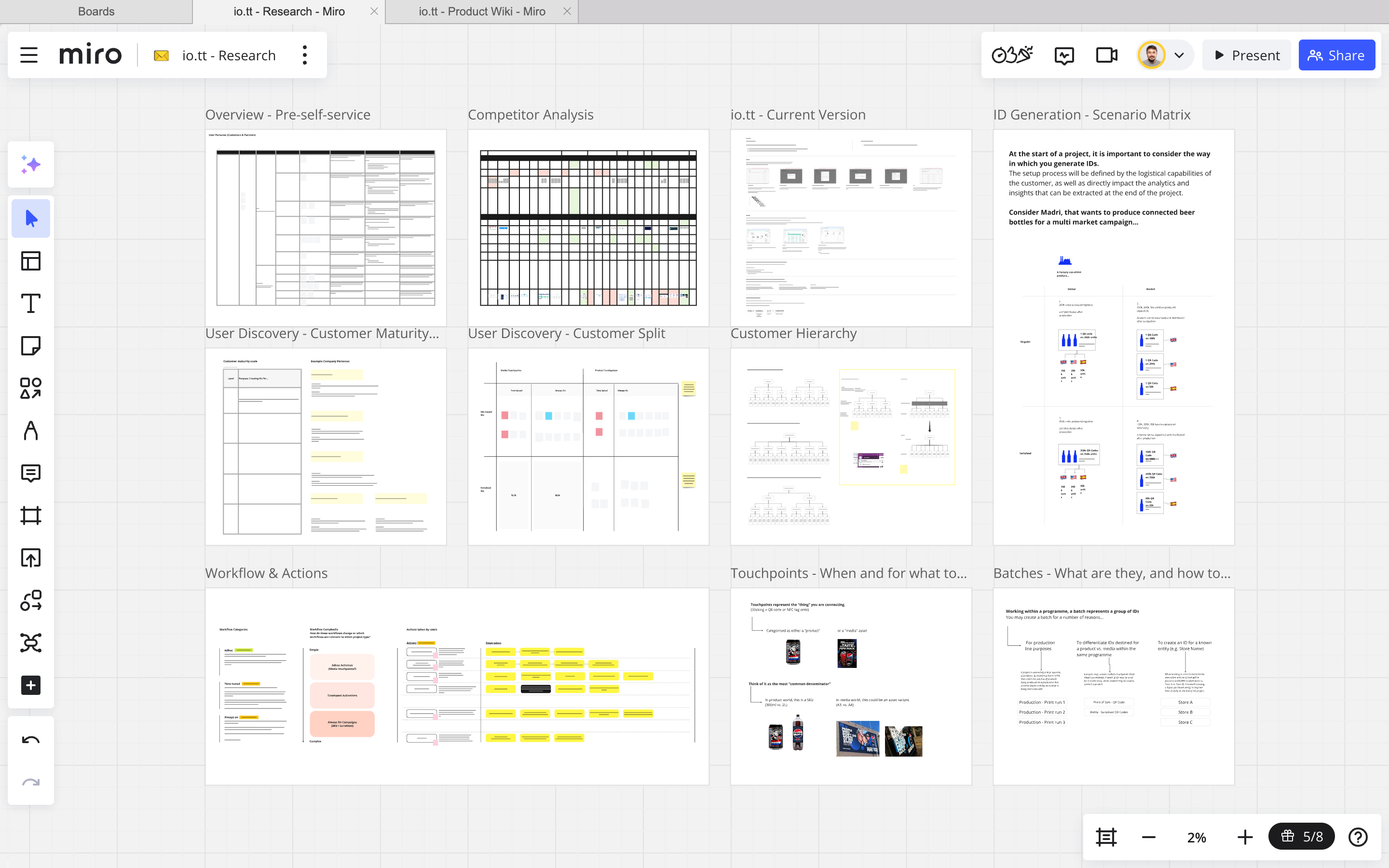
Key founds
The main user flows lacked a native feel, requiring manual support from the io.tt team and negatively impacting product perception:
- Lack of clear platform self-onboarding for first-time users
- Non-intuitive navigation and disconnected goal-oriented flows
- Unclear product value proposition and key benefits
Strategy & Planning
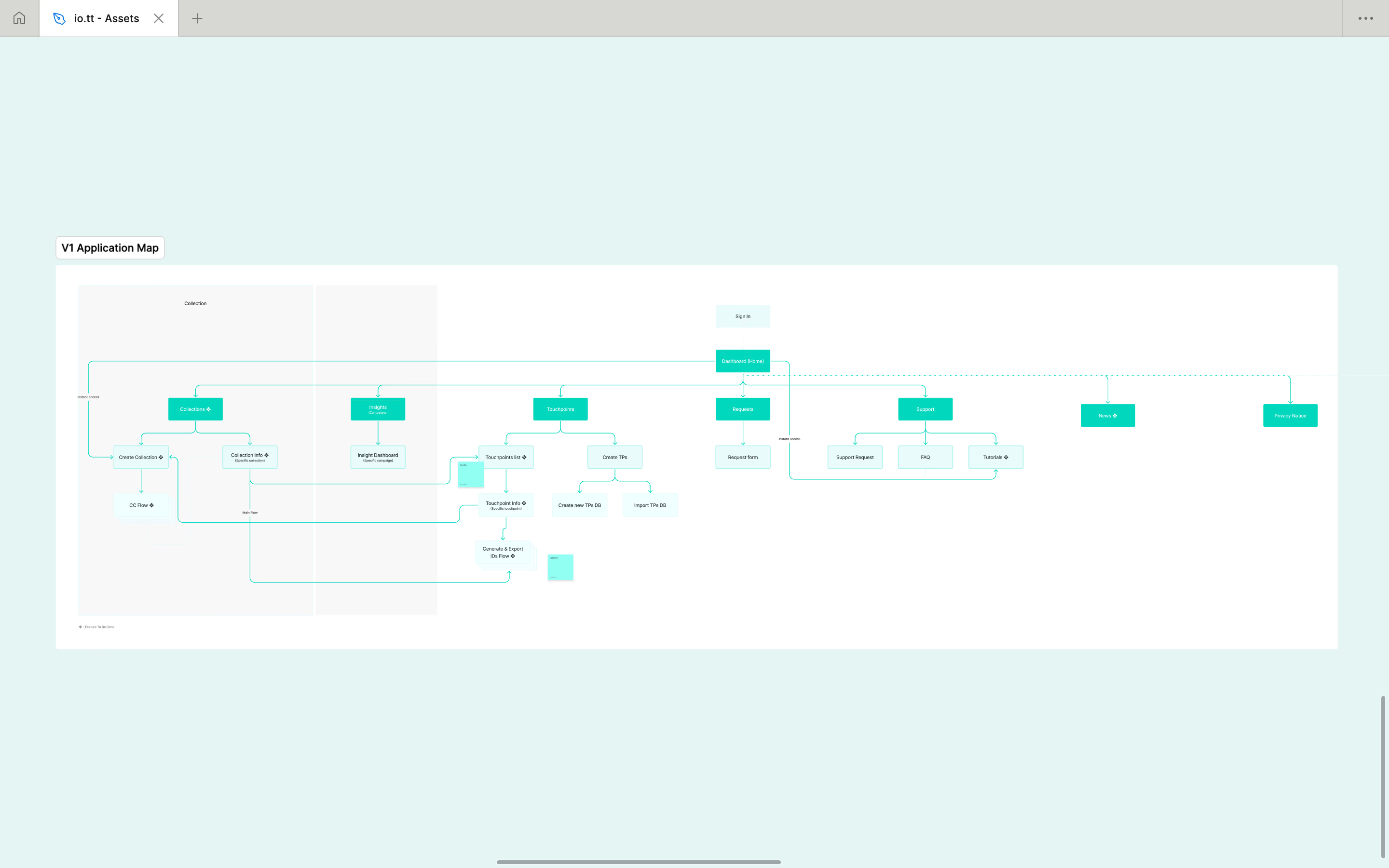
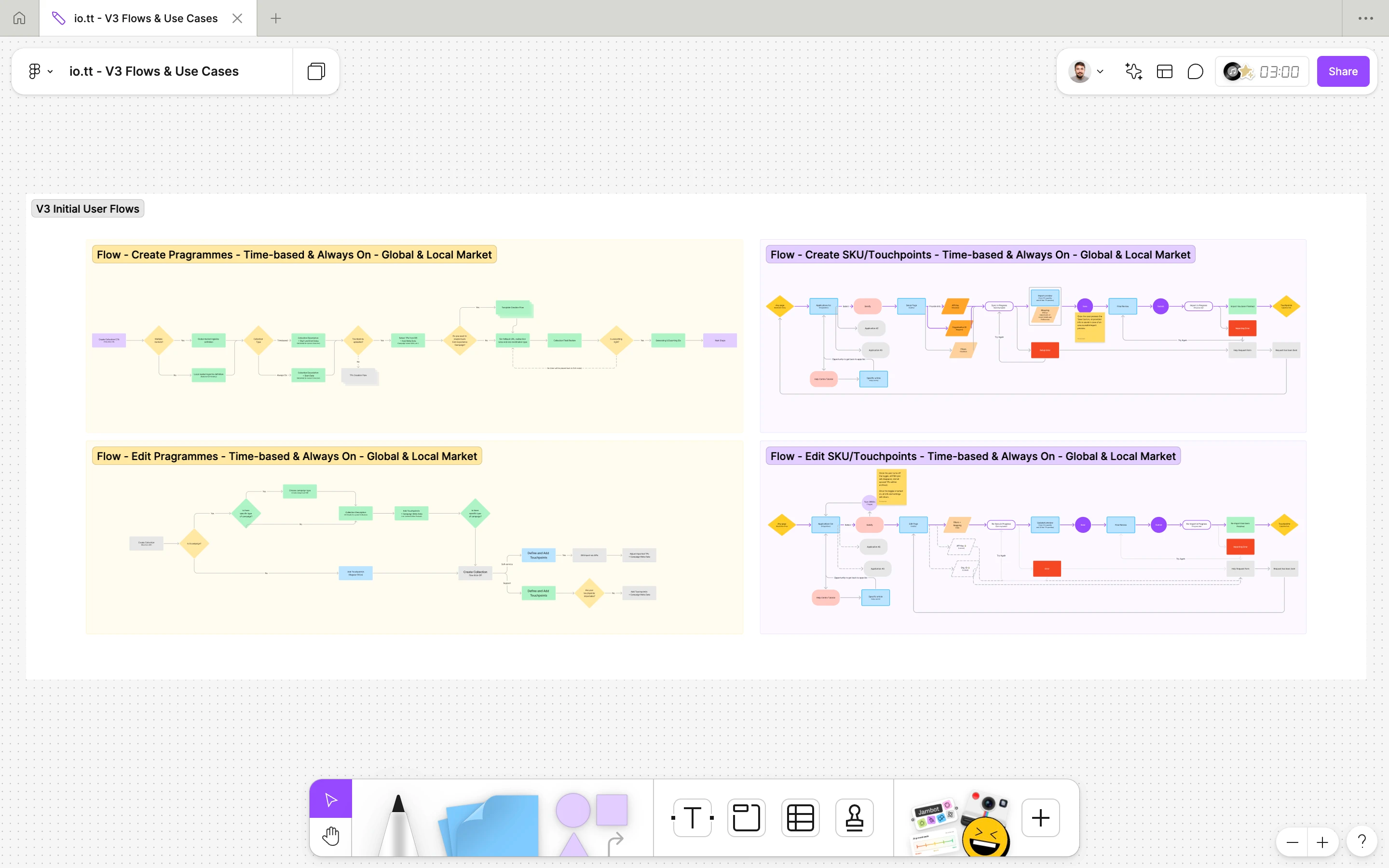
After completing the research phase, the team and I synthesised our key findings into mind map and use cases, then presented them to stakeholders. Through this review, we scoped the work, aligned our priorities, and established next steps—all while maintaining the flexibility needed for a six-month timeline.
Our product team and I established specific key metrics and goals for the new platform to complement existing ones. This approach kept us aligned with our strategic objectives while creating a concrete framework to measure success.
We allocated time to analyse the project scope and create a structured breakdown of agile sprints for the coming months. It helped us prioritise tasks, maintain steady progress, and stay flexible when facing new challenges or insights during development.
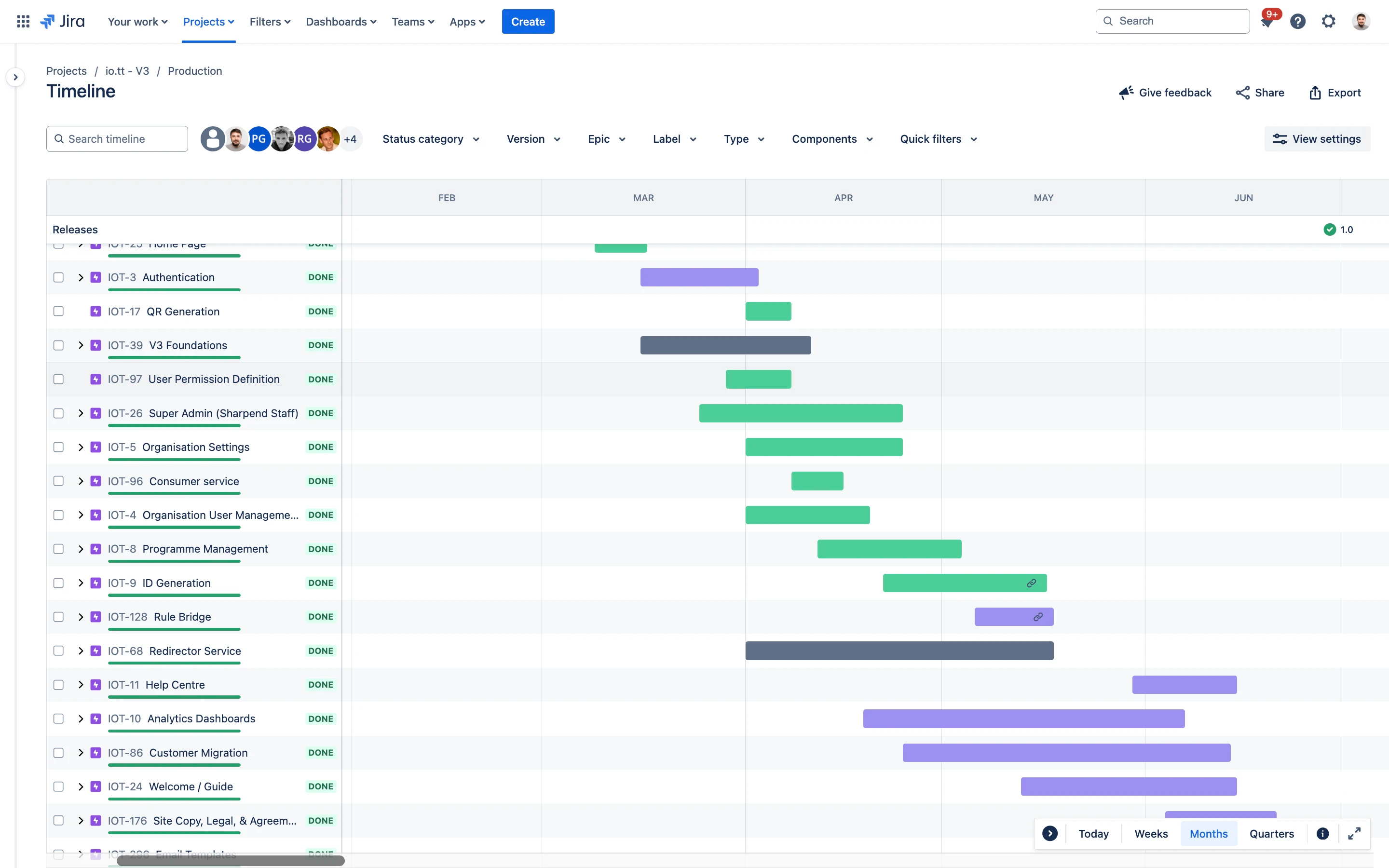
During the planning phase, I established clear objectives for the platform redesign and aligned these goals with our product strategy, value proposition, and planned features. By incorporating insights from existing users, we ensured the redesign would solve current problems and meet genuine user needs.
A crucial part of this initiative involved building a new design system from scratch, establishing a scalable foundation that ensures consistency and supports future platform growth.
Key decisions
After scoping the work, we defined processes to run simultaneously to maximise effectiveness and efficiency, reducing overall development time. Additionally, the team and I reviewed the essential features, workflows, design system assets, and UI elements that are indispensable for the project.
Design & Iteration
The design process started by mapping the existing platform's information architecture. This foundational step helped identify underutilised features and allowed me to work with the product team to refine the structure in line with the new product strategy.
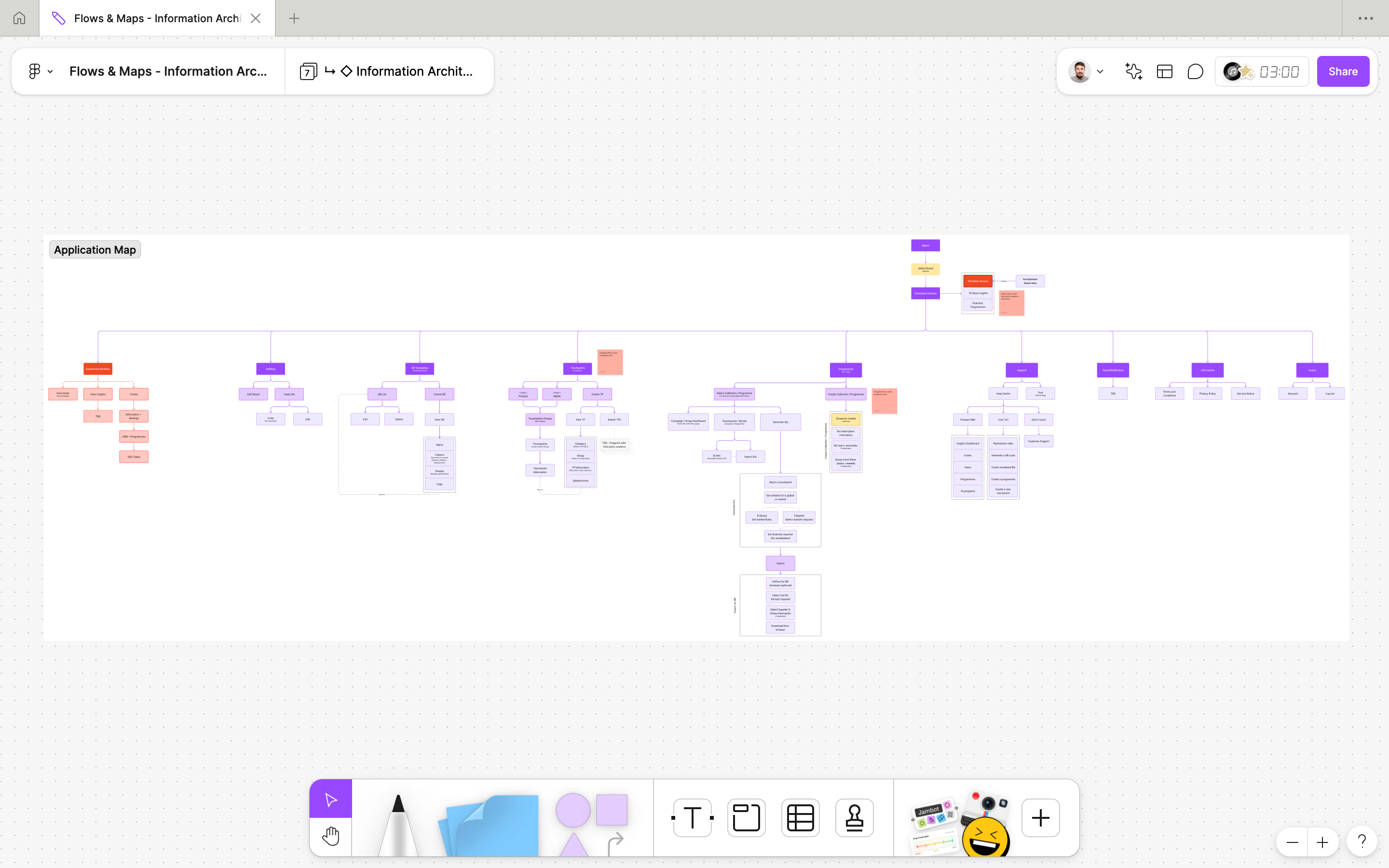
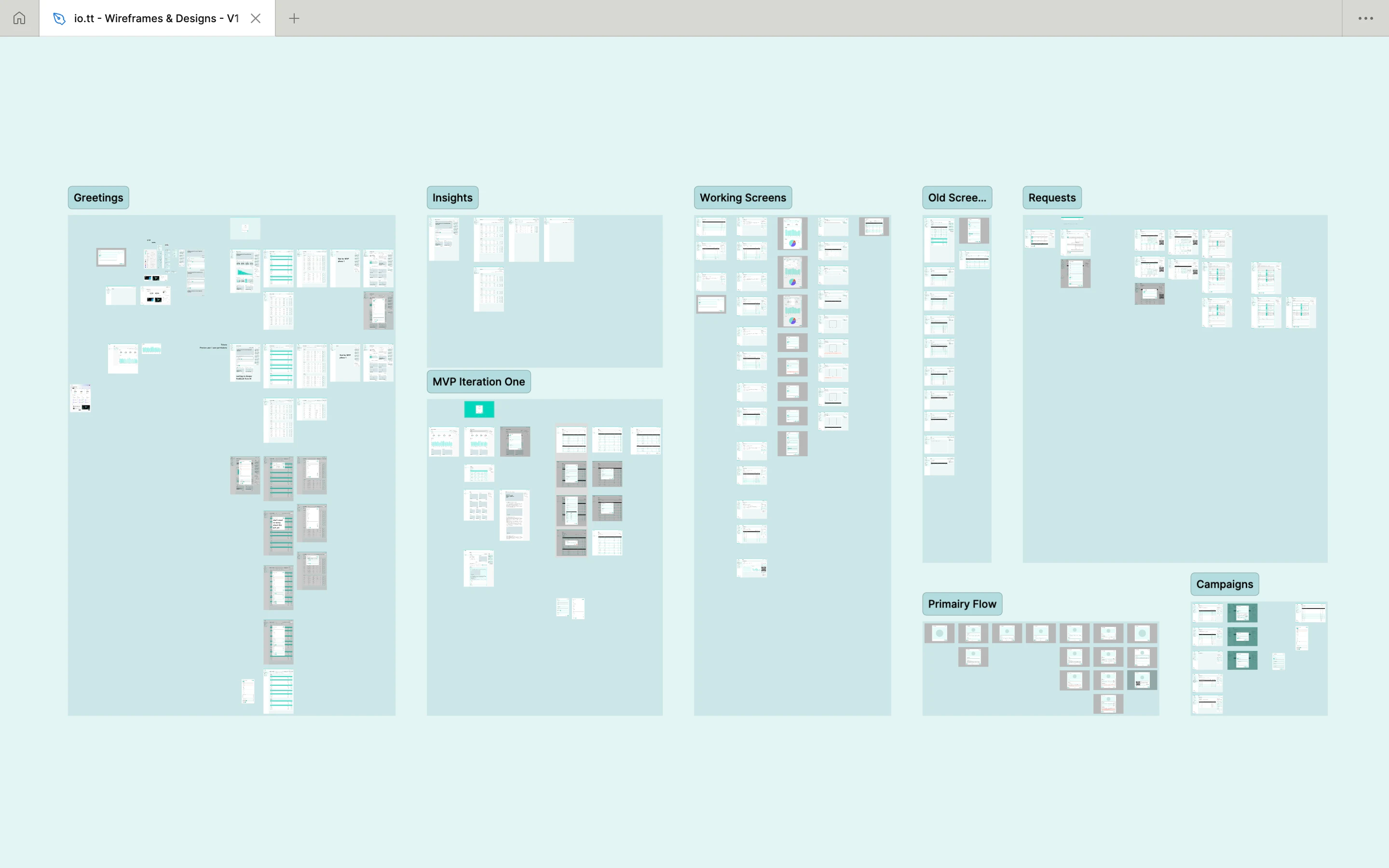
To establish a solid user experience foundation, I created low-fidelity wireframes that focused on core user flows and primary journeys. These wireframes generated productive discussions with our cross-functional team of Product, Development, Account Management, Project Management, and Marketing stakeholders. Their feedback was invaluable in refining our initial concepts to better align with business goals and user needs.
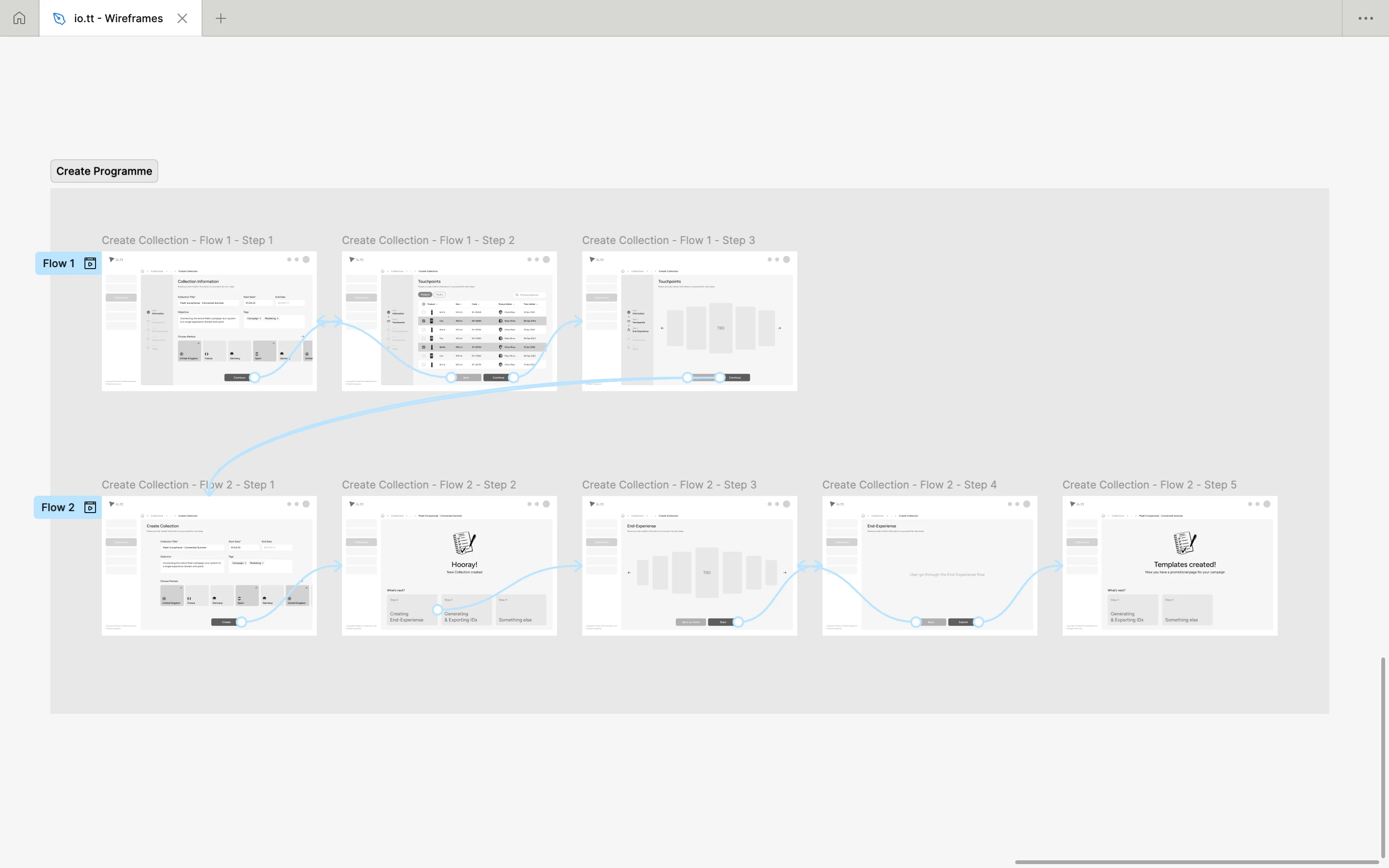
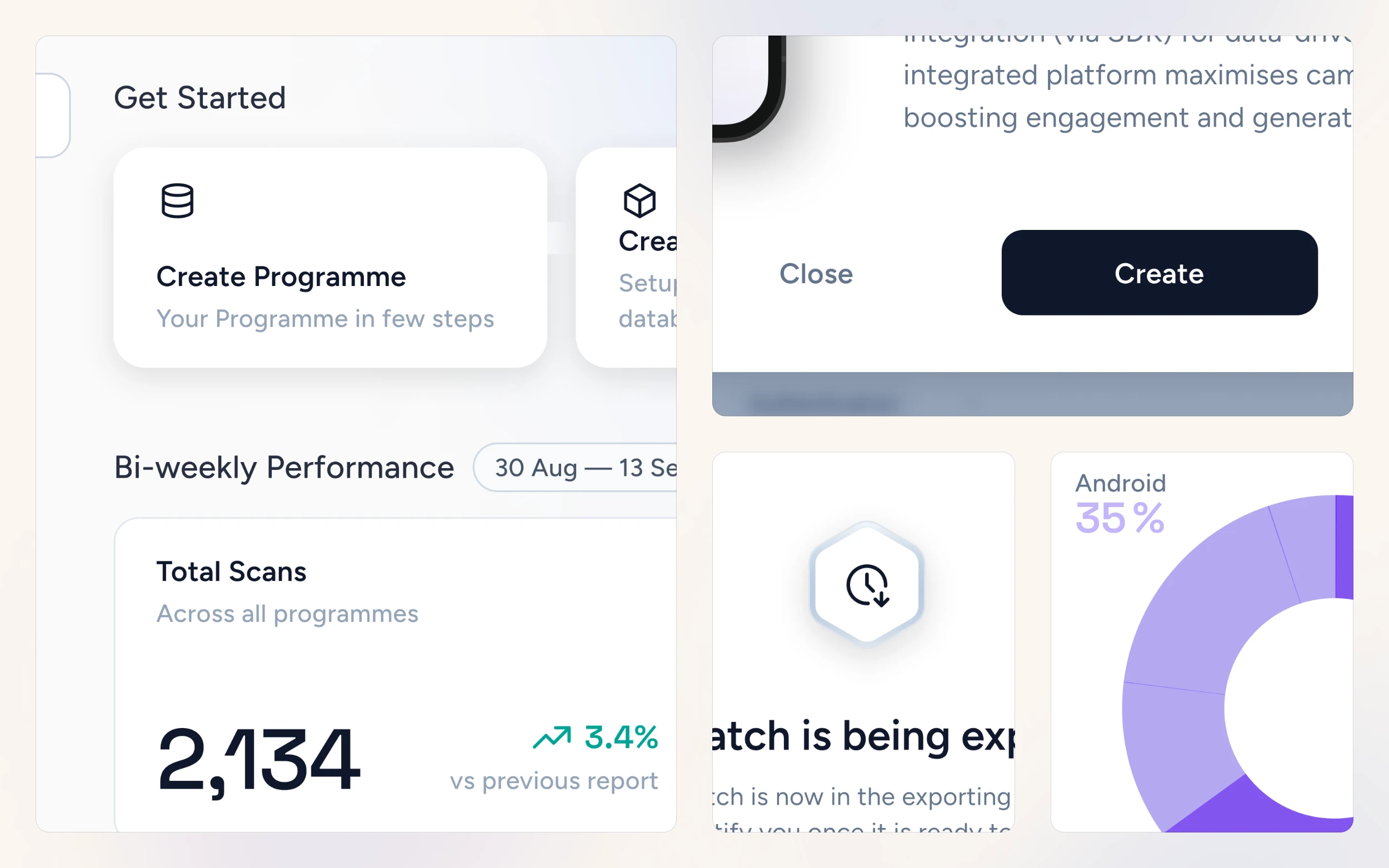
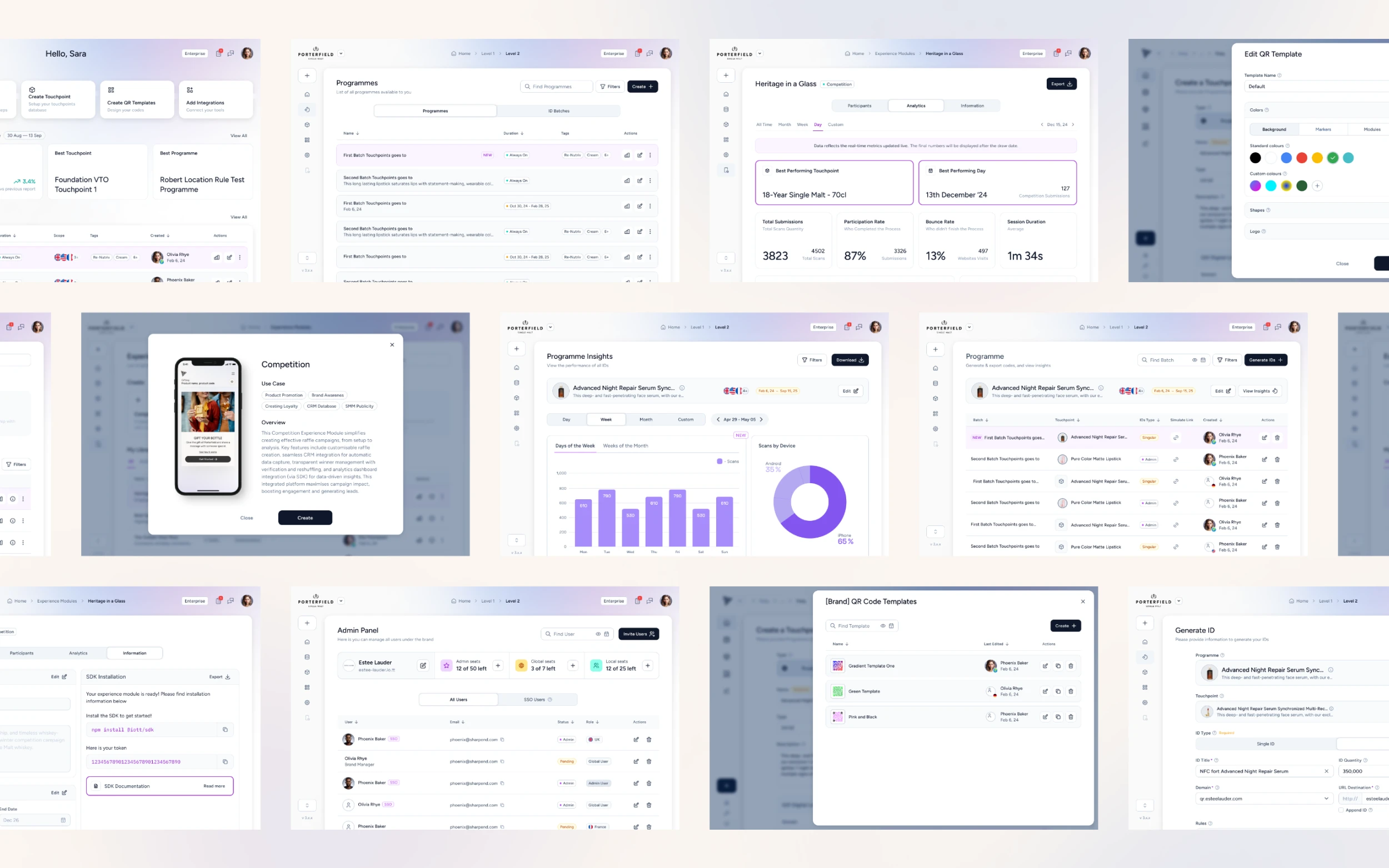
As the design evolved, I created more detailed wireframes to refine workflows and interactions. These higher-fidelity designs brought clarity to specific use cases and helped visualise how the platform would function.
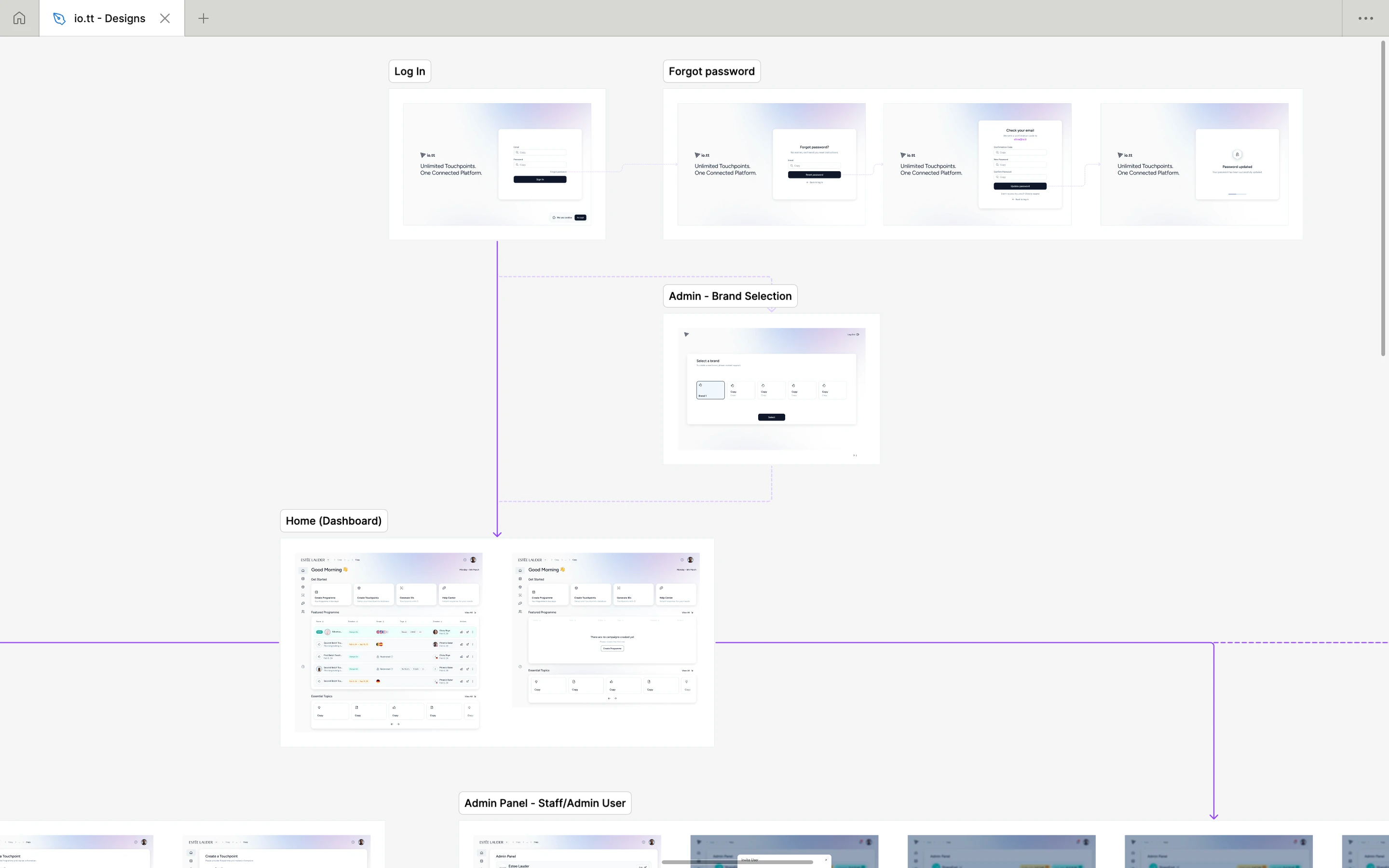
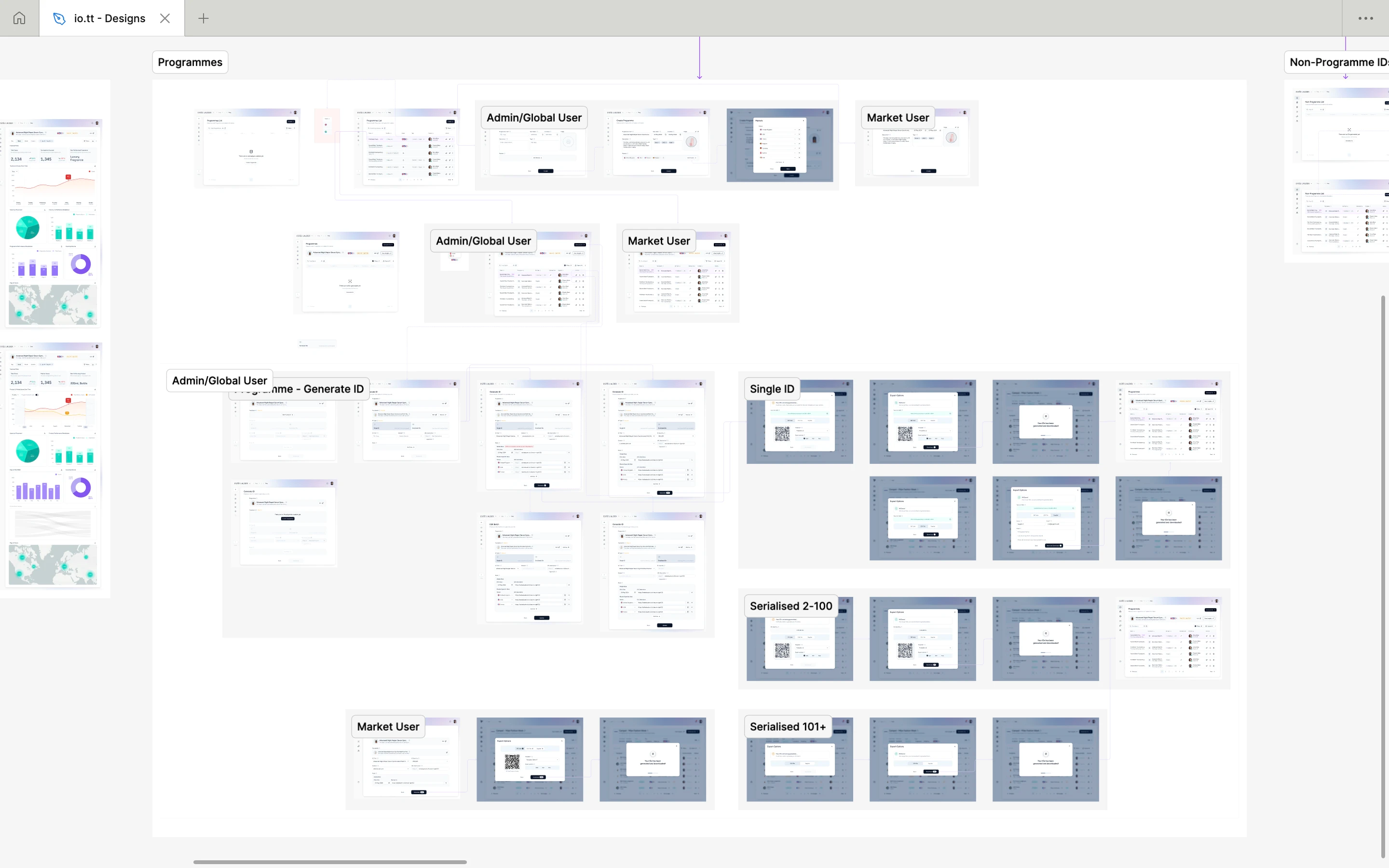
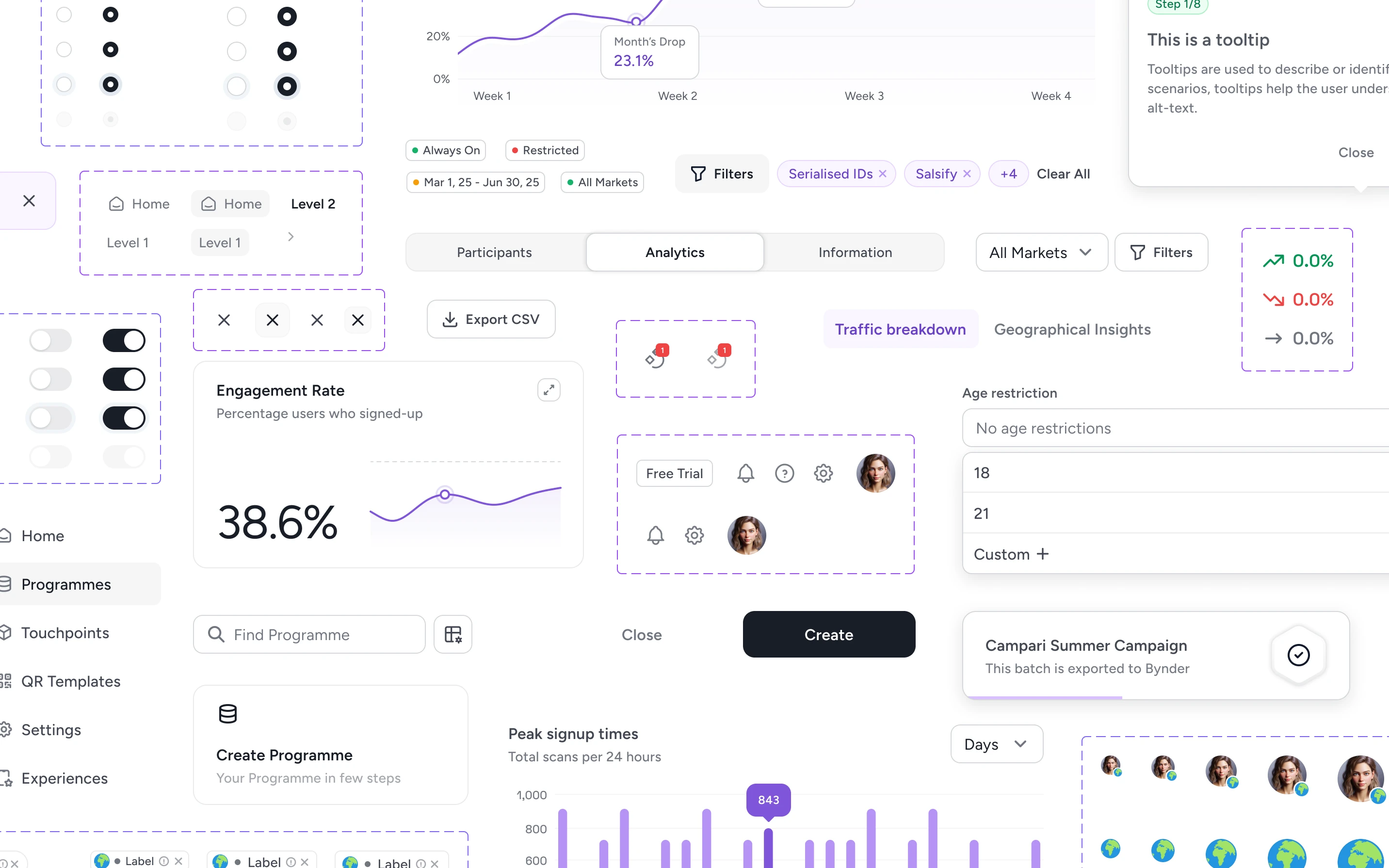
Alongside this work, I created a new design system from the ground up. This system provided a unified and scalable framework for UI elements, interactions, and visual styles—ensuring consistency across the platform.
Through this iterative approach, we continuously validated and refined the design, crafting a final product that met both user expectations and strategic objectives.
Collaboration
I collaborated closely with stakeholders and team members throughout the design process to maintain alignment and catch potential oversights. Regular meetings with Product Leads, Developers, Account Managers, and Marketing specialists helped us refine the design to meet both user needs and business goals while keeping our vision clear.
Working within our six-month timeline, I streamlined our workflow using Figma for real-time collaboration and design sharing. Combined with Agile methodologies for task prioritisation, this iterative, feedback-driven approach kept our team nimble and helped us deliver a polished product on schedule.
Final Product & Impact
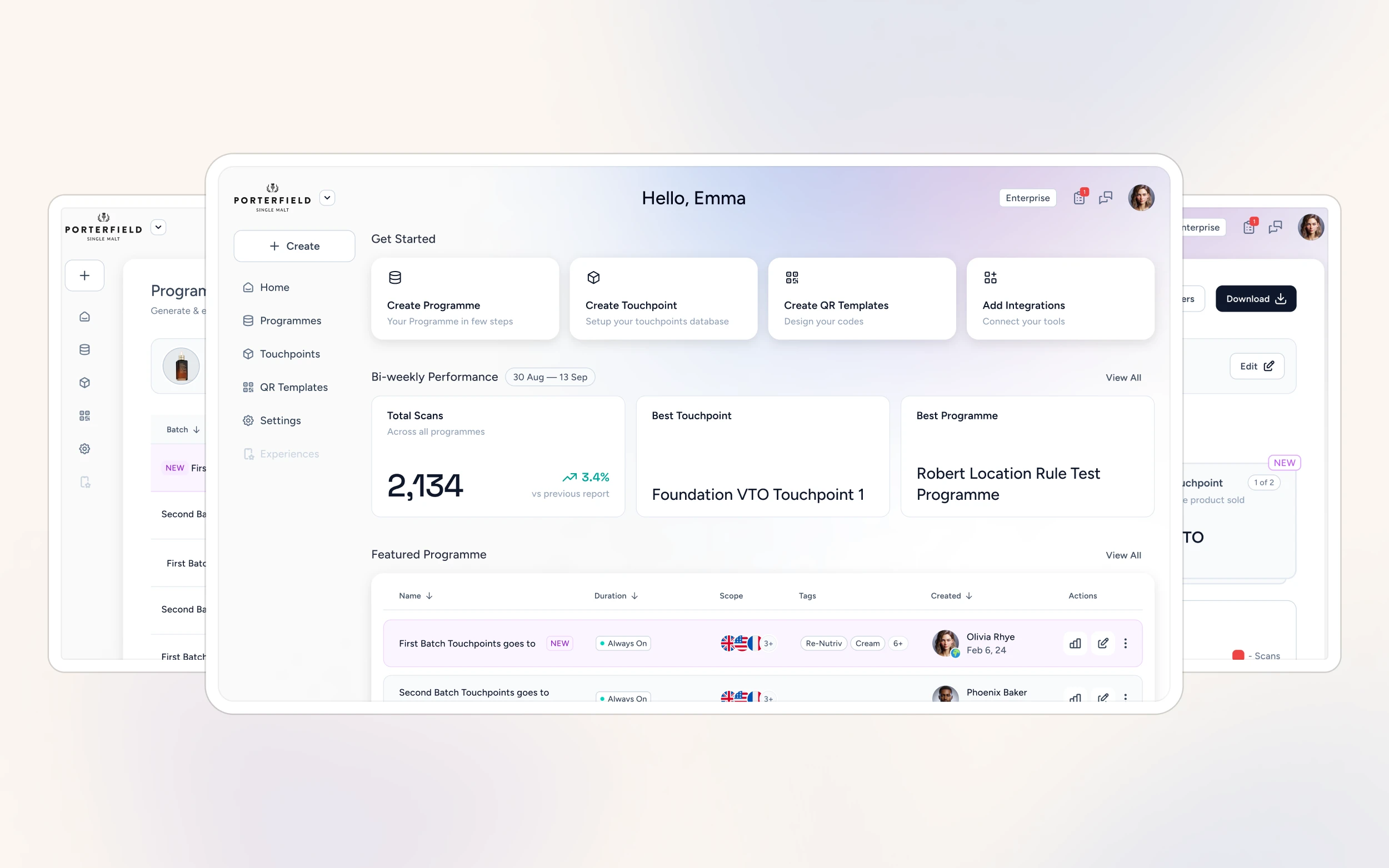
The new io.tt platform launched a bit ahead of our six-month deadline, proving the effectiveness of our streamlined design and development process. This early release gave us a competitive advantage by allowing us to showcase the platform's capabilities to prospective clients and investors sooner than planned.
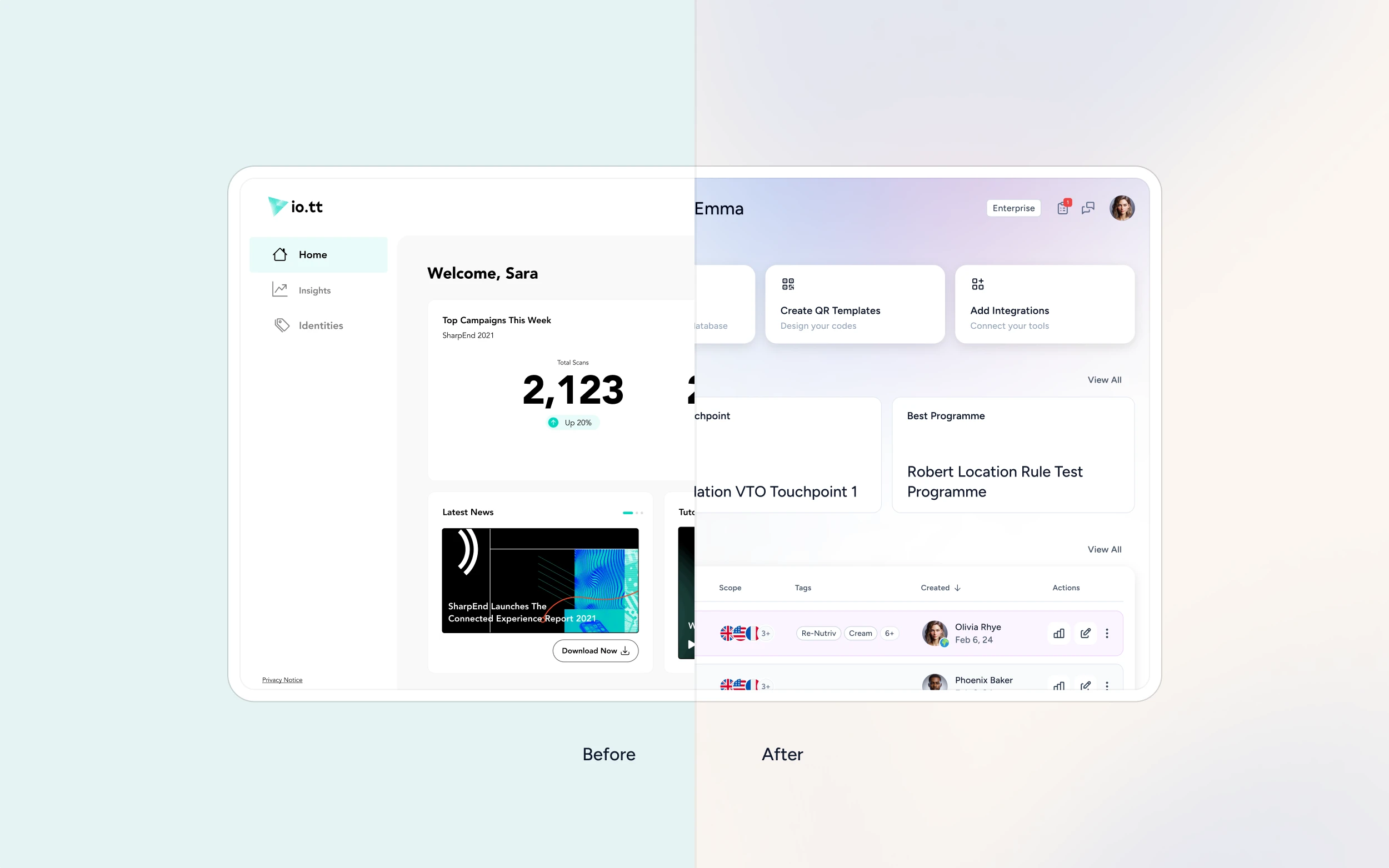
The redesigned platform delivered precise, measurable results. Our key metrics revealed increased user engagement, lower bounce rates in critical funnels, and more substantial adoption of new features. The improved usability and cohesive design system created a more intuitive experience that directly addressed feedback from users and stakeholders.
The project's success translated into tangible business growth, with the platform's performance helping secure new contracts within its first six months. This achievement validated our design and development efforts and established a robust foundation for the platform's future growth and innovation.
Key Outcomes
The platform launched early, showcasing strong results: 34.2% engagement rate, improved bounce rates, and increased feature adoption. We secured five new clients and four enterprise upgrades, validating our development process and setting a foundation for future growth.
Learning & Thoughts
This project highlighted the value of effective collaboration and process design. Strong partnerships with stakeholders and cross-functional teams, clear communication, and aligned goals helped maintain momentum despite tight deadlines. Our B2B-focused research provided crucial insights into user priorities.
The refined Agile sprint structure and enhanced design system created an efficient, scalable foundation. Regular retrospectives drove continuous improvement, strengthening the platform and our team's collaborative capabilities.
Ongoing Work
My contributions to io.tt established a strong foundation for the platform's evolution. Within two months of the platform launch, we gathered valuable data insights on feature usage, user flows, and UI design. These insights have been instrumental in shaping our roadmap toward a more powerful, user-focused platform.
We are focused on enhancing the platform through data-driven improvements and strategic development. Introducing new in-app features streamlines our solution and adapts to our customers' evolving needs.


io.tt: Rebuilding the B2B Platform to Power Connected Experiences
Redesigned and developed a new platform from the ground up in six months, transforming the platform to effectively showcase its potential to clients and investors.
Product
io.tt is a platform helps brands create connected experiences through QR codes, NFC, and AR technology. By integrating these tools into products, packaging, and digital media, io.tt enables brands to boost consumer engagement, enhance loyalty programs, and collect valuable first-party data.
Problem Space
After securing the first round of investment, the product team needed to completely overhaul the platform. The existing version had significant shortcomings: it failed to meet customer expectations, showed low user engagement, lacked competitive features and technical capabilities, looked outdated, and couldn't fulfil new objectives set by investors.
Target
Our goal was to design and launch a new platform version within six months, showcasing its potential to clients and investors. We focused on improving user flows, modernising UI/UX, and enhancing technology integration. These improvements would give brands powerful tools for customer engagement, seamless onboarding, and actionable insights.
My Role
As Senior Product Designer, I led all design processes from start to finish. My responsibilities included UX research, wireframing, creating a new design system, and UI development. This comprehensive approach helped us deliver a new platform that balanced user needs with business goals—all within our tight deadline.
Outcome
These detailed performance metrics highlight the most significant outcomes and achievements observed during the initial six months following the launch of the newly developed platform.
5 new
Clients who signed
off the contract
+4 clients
Who upgraded
to Enterprise Plans
+34.2%
Engagement Rate (avg. DAU & MAU)
Key Stages & Process
Research & Discovery
To begin the project, I conducted an in-depth analysis of the existing io.tt platform. By examining its usability, aesthetics, and alignment with both user and business goals, I identified key pain points, inefficiencies, and opportunities that would inform the next-generation product design.
Close collaboration with key stakeholders proved crucial during this phase. Working with Product Leads, Account Managers, Product Managers, and the Marketing team, we aligned on the product's vision and priorities. This ensured the new platform would meet the company's strategic goals and user needs. These collaborative sessions revealed valuable opportunities the new platform could create for clients and investors.
Also, I analysed existing user interviews, usability testing reports, and competitor analyses for the redesign foundation. These resources provided insights into user behaviours, preferences, and pain points. The data also helped us benchmark the platform against industry standards and identify critical gaps to address.
I served as the lead Product Designer, managing all design processes from start to finish. My work spanned UX research, wireframing, design system creation, and UI development. This holistic approach helped deliver an platform that balanced user needs with business goals—all while meeting our tight deadline.
Key founds
The main user flows lacked a native feel, requiring manual support from the io.tt team and negatively impacting product perception:
- Lack of clear platform self-onboarding for first-time users
- Non-intuitive navigation and disconnected goal-oriented flows
- Unclear product value proposition and key benefits
Strategy & Planning
After completing the research phase, the team and I synthesised our key findings into mind map and use cases, then presented them to stakeholders. Through this review, we scoped the work, aligned our priorities, and established next steps—all while maintaining the flexibility needed for a six-month timeline.
Our product team and I established specific key metrics and goals for the new platform to complement existing ones. This approach kept us aligned with our strategic objectives while creating a concrete framework to measure success.
We allocated time to analyse the project scope and create a structured breakdown of agile sprints for the coming months. It helped us prioritise tasks, maintain steady progress, and stay flexible when facing new challenges or insights during development.
During the planning phase, I established clear objectives for the platform redesign and aligned these goals with our product strategy, value proposition, and planned features. By incorporating insights from existing users, we ensured the redesign would solve current problems and meet genuine user needs.
A crucial part of this initiative involved building a new design system from scratch, establishing a scalable foundation that ensures consistency and supports future platform growth.
Key decisions
After scoping the work, we defined processes to run simultaneously to maximise effectiveness and efficiency, reducing overall development time. Additionally, the team and I reviewed the essential features, workflows, design system assets, and UI elements that are indispensable for the project.
Design & Iteration
The design process started by mapping the existing platform's information architecture. This foundational step helped identify underutilised features and allowed me to work with the product team to refine the structure in line with the new product strategy.
To establish a solid user experience foundation, I created low-fidelity wireframes that focused on core user flows and primary journeys. These wireframes generated productive discussions with our cross-functional team of Product, Development, Account Management, Project Management, and Marketing stakeholders. Their feedback was invaluable in refining our initial concepts to better align with business goals and user needs.
As the design evolved, I created more detailed wireframes to refine workflows and interactions. These higher-fidelity designs brought clarity to specific use cases and helped visualise how the platform would function.
Alongside this work, I created a new design system from the ground up. This system provided a unified and scalable framework for UI elements, interactions, and visual styles—ensuring consistency across the platform.
Through this iterative approach, we continuously validated and refined the design, crafting a final product that met both user expectations and strategic objectives.
Collaboration
I collaborated closely with stakeholders and team members throughout the design process to maintain alignment and catch potential oversights. Regular meetings with Product Leads, Developers, Account Managers, and Marketing specialists helped us refine the design to meet both user needs and business goals while keeping our vision clear.
Working within our six-month timeline, I streamlined our workflow using Figma for real-time collaboration and design sharing. Combined with Agile methodologies for task prioritisation, this iterative, feedback-driven approach kept our team nimble and helped us deliver a polished product on schedule.
Final Product & Impact
The new io.tt platform launched a bit ahead of our six-month deadline, proving the effectiveness of our streamlined design and development process. This early release gave us a competitive advantage by allowing us to showcase the platform's capabilities to prospective clients and investors sooner than planned.
The redesigned platform delivered precise, measurable results. Our key metrics revealed increased user engagement, lower bounce rates in critical funnels, and more substantial adoption of new features. The improved usability and cohesive design system created a more intuitive experience that directly addressed feedback from users and stakeholders.
The project's success translated into tangible business growth, with the platform's performance helping secure new contracts within its first six months. This achievement validated our design and development efforts and established a robust foundation for the platform's future growth and innovation.
Key Outcomes
The platform launched early, showcasing strong results: 34.2% engagement rate, improved bounce rates, and increased feature adoption. We secured five new clients and four enterprise upgrades, validating our development process and setting a foundation for future growth.
Learning & Thoughts
This project highlighted the value of effective collaboration and process design. Strong partnerships with stakeholders and cross-functional teams, clear communication, and aligned goals helped maintain momentum despite tight deadlines. Our B2B-focused research provided crucial insights into user priorities.
The refined Agile sprint structure and enhanced design system created an efficient, scalable foundation. Regular retrospectives drove continuous improvement, strengthening the platform and our team's collaborative capabilities.
Ongoing Work
My contributions to io.tt established a strong foundation for the platform's evolution. Within two months of the platform launch, we gathered valuable data insights on feature usage, user flows, and UI design. These insights have been instrumental in shaping our roadmap toward a more powerful, user-focused platform.
We are focused on enhancing the platform through data-driven improvements and strategic development. Introducing new in-app features streamlines our solution and adapts to our customers' evolving needs.


io.tt: Rebuilding the B2B Platform to Power Connected Experiences
Redesigned and developed a new platform from the ground up in six months, transforming the platform to effectively showcase its potential to clients and investors.
Product
io.tt is a platform helps brands create connected experiences through QR codes, NFC, and AR technology. By integrating these tools into products, packaging, and digital media, io.tt enables brands to boost consumer engagement, enhance loyalty programs, and collect valuable first-party data.
ProblemSpace
After securing the first round of investment, the product team needed to completely overhaul the platform. The existing version had significant shortcomings: it failed to meet customer expectations, showed low user engagement, lacked competitive features and technical capabilities, looked outdated, and couldn't fulfil new objectives set by investors.
Target
Our goal was to design and launch a new platform version within six months, showcasing its potential to clients and investors. We focused on improving user flows, modernising UI/UX, and enhancing technology integration. These improvements would give brands powerful tools for customer engagement, seamless onboarding, and actionable insights.
My Role
As Senior Product Designer, I led all design processes from start to finish. My responsibilities included UX research, wireframing, creating a new design system, and UI development. This comprehensive approach helped us deliver a new platform that balanced user needs with business goals—all within our tight deadline.
Outcome
These detailed performance metrics highlight the most significant outcomes and achievements observed during the initial six months following the launch of the newly developed platform.
5 new
Clients who signed
off the contract
+4 clients
Who upgraded
to Enterprise Plans
+34.2%
Engagement Rate (avg. DAU & MAU)
Key Stages & Process
Research & Discovery
To begin the project, I conducted an in-depth analysis of the existing io.tt platform. By examining its usability, aesthetics, and alignment with both user and business goals, I identified key pain points, inefficiencies, and opportunities that would inform the next-generation product design.
Close collaboration with key stakeholders proved crucial during this phase. Working with Product Leads, Account Managers, Product Managers, and the Marketing team, we aligned on the product's vision and priorities. This ensured the new platform would meet the company's strategic goals and user needs. These collaborative sessions revealed valuable opportunities the new platform could create for clients and investors.
Also, I analysed existing user interviews, usability testing reports, and competitor analyses for the redesign foundation. These resources provided insights into user behaviours, preferences, and pain points. The data also helped us benchmark the platform against industry standards and identify critical gaps to address.
I served as the lead Product Designer, managing all design processes from start to finish. My work spanned UX research, wireframing, design system creation, and UI development. This holistic approach helped deliver an platform that balanced user needs with business goals—all while meeting our tight deadline.
Key founds
The main user flows lacked a native feel, requiring manual support from the io.tt team and negatively impacting product perception:
- Lack of clear platform self-onboarding for first-time users
- Non-intuitive navigation and disconnected goal-oriented flows
- Unclear product value proposition and key benefits
Strategy & Planning
After completing the research phase, the team and I synthesised our key findings into mind map and use cases, then presented them to stakeholders. Through this review, we scoped the work, aligned our priorities, and established next steps—all while maintaining the flexibility needed for a six-month timeline.
Our product team and I established specific key metrics and goals for the new platform to complement existing ones. This approach kept us aligned with our strategic objectives while creating a concrete framework to measure success.
We allocated time to analyse the project scope and create a structured breakdown of agile sprints for the coming months. It helped us prioritise tasks, maintain steady progress, and stay flexible when facing new challenges or insights during development.
During the planning phase, I established clear objectives for the platform redesign and aligned these goals with our product strategy, value proposition, and planned features. By incorporating insights from existing users, we ensured the redesign would solve current problems and meet genuine user needs.
A crucial part of this initiative involved building a new design system from scratch, establishing a scalable foundation that ensures consistency and supports future platform growth.
Keydecisions
After scoping the work, we defined processes to run simultaneously to maximise effectiveness and efficiency, reducing overall development time. Additionally, the team and I reviewed the essential features, workflows, design system assets, and UI elements that are indispensable for the project.
Design & Iteration
The design process started by mapping the existing platform's information architecture. This foundational step helped identify underutilised features and allowed me to work with the product team to refine the structure in line with the new product strategy.
To establish a solid user experience foundation, I created low-fidelity wireframes that focused on core user flows and primary journeys. These wireframes generated productive discussions with our cross-functional team of Product, Development, Account Management, Project Management, and Marketing stakeholders. Their feedback was invaluable in refining our initial concepts to better align with business goals and user needs.
As the design evolved, I created more detailed wireframes to refine workflows and interactions. These higher-fidelity designs brought clarity to specific use cases and helped visualise how the platform would function.
Alongside this work, I created a new design system from the ground up. This system provided a unified and scalable framework for UI elements, interactions, and visual styles—ensuring consistency across the platform.
Through this iterative approach, we continuously validated and refined the design, crafting a final product that met both user expectations and strategic objectives.
Collaboration
I collaborated closely with stakeholders and team members throughout the design process to maintain alignment and catch potential oversights. Regular meetings with Product Leads, Developers, Account Managers, and Marketing specialists helped us refine the design to meet both user needs and business goals while keeping our vision clear.
Working within our six-month timeline, I streamlined our workflow using Figma for real-time collaboration and design sharing. Combined with Agile methodologies for task prioritisation, this iterative, feedback-driven approach kept our team nimble and helped us deliver a polished product on schedule.
Final Product & Impact
The new io.tt platform launched a bit ahead of our six-month deadline, proving the effectiveness of our streamlined design and development process. This early release gave us a competitive advantage by allowing us to showcase the platform's capabilities to prospective clients and investors sooner than planned.
The redesigned platform delivered precise, measurable results. Our key metrics revealed increased user engagement, lower bounce rates in critical funnels, and more substantial adoption of new features. The improved usability and cohesive design system created a more intuitive experience that directly addressed feedback from users and stakeholders.
The project's success translated into tangible business growth, with the platform's performance helping secure new contracts within its first six months. This achievement validated our design and development efforts and established a robust foundation for the platform's future growth and innovation.
KeyOutcomes
The platform launched early, showcasing strong results: 34.2% engagement rate, improved bounce rates, and increased feature adoption. We secured five new clients and four enterprise upgrades, validating our development process and setting a foundation for future growth.
Learning & Thoughts
This project highlighted the value of effective collaboration and process design. Strong partnerships with stakeholders and cross-functional teams, clear communication, and aligned goals helped maintain momentum despite tight deadlines. Our B2B-focused research provided crucial insights into user priorities.
The refined Agile sprint structure and enhanced design system created an efficient, scalable foundation. Regular retrospectives drove continuous improvement, strengthening the platform and our team's collaborative capabilities.
Ongoing Work
My contributions to io.tt established a strong foundation for the platform's evolution. Within two months of the platform launch, we gathered valuable data insights on feature usage, user flows, and UI design. These insights have been instrumental in shaping our roadmap toward a more powerful, user-focused platform.
We are focused on enhancing the platform through data-driven improvements and strategic development. Introducing new in-app features streamlines our solution and adapts to our customers' evolving needs.


io.tt: Rebuilding the B2B Platform to Power Connected Experiences
Redesigned and developed a new platform from the ground up in six months, transforming the platform to effectively showcase its potential to clients and investors.
Product
io.tt is a platform helps brands create connected experiences through QR codes, NFC, and AR technology. By integrating these tools into products, packaging, and digital media, io.tt enables brands to boost consumer engagement, enhance loyalty programs, and collect valuable first-party data.
Problem Space
After securing the first round of investment, the product team needed to completely overhaul the platform. The existing version had significant shortcomings: it failed to meet customer expectations, showed low user engagement, lacked competitive features and technical capabilities, looked outdated, and couldn't fulfil new objectives set by investors.
Target
Our goal was to design and launch a new platform version within six months, showcasing its potential to clients and investors. We focused on improving user flows, modernising UI/UX, and enhancing technology integration. These improvements would give brands powerful tools for customer engagement, seamless onboarding, and actionable insights.
My Role
As Senior Product Designer, I led all design processes from start to finish. My responsibilities included UX research, wireframing, creating a new design system, and UI development. This comprehensive approach helped us deliver a new platform that balanced user needs with business goals—all within our tight deadline.
Outcome
These detailed performance metrics highlight the most significant outcomes and achievements observed during the initial six months following the launch of the newly developed platform.
5 new
Clients who signed
off the contract
+4 clients
Who upgraded
to Enterprise Plans
+34.2%
Engagement Rate (avg. DAU & MAU)
Key Stages & Process
Research & Discovery
To begin the project, I conducted an in-depth analysis of the existing io.tt platform. By examining its usability, aesthetics, and alignment with both user and business goals, I identified key pain points, inefficiencies, and opportunities that would inform the next-generation product design.
Close collaboration with key stakeholders proved crucial during this phase. Working with Product Leads, Account Managers, Product Managers, and the Marketing team, we aligned on the product's vision and priorities. This ensured the new platform would meet the company's strategic goals and user needs. These collaborative sessions revealed valuable opportunities the new platform could create for clients and investors.
Also, I analysed existing user interviews, usability testing reports, and competitor analyses for the redesign foundation. These resources provided insights into user behaviours, preferences, and pain points. The data also helped us benchmark the platform against industry standards and identify critical gaps to address.
I served as the lead Product Designer, managing all design processes from start to finish. My work spanned UX research, wireframing, design system creation, and UI development. This holistic approach helped deliver an platform that balanced user needs with business goals—all while meeting our tight deadline.
Key founds
The main user flows lacked a native feel, requiring manual support from the io.tt team and negatively impacting product perception:
- Lack of clear platform self-onboarding for first-time users
- Non-intuitive navigation and disconnected goal-oriented flows
- Unclear product value proposition and key benefits
Strategy & Planning
After completing the research phase, the team and I synthesised our key findings into mind map and use cases, then presented them to stakeholders. Through this review, we scoped the work, aligned our priorities, and established next steps—all while maintaining the flexibility needed for a six-month timeline.
Our product team and I established specific key metrics and goals for the new platform to complement existing ones. This approach kept us aligned with our strategic objectives while creating a concrete framework to measure success.
We allocated time to analyse the project scope and create a structured breakdown of agile sprints for the coming months. It helped us prioritise tasks, maintain steady progress, and stay flexible when facing new challenges or insights during development.
During the planning phase, I established clear objectives for the platform redesign and aligned these goals with our product strategy, value proposition, and planned features. By incorporating insights from existing users, we ensured the redesign would solve current problems and meet genuine user needs.
A crucial part of this initiative involved building a new design system from scratch, establishing a scalable foundation that ensures consistency and supports future platform growth.
Key decisions
After scoping the work, we defined processes to run simultaneously to maximise effectiveness and efficiency, reducing overall development time. Additionally, the team and I reviewed the essential features, workflows, design system assets, and UI elements that are indispensable for the project.
Design & Iteration
The design process started by mapping the existing platform's information architecture. This foundational step helped identify underutilised features and allowed me to work with the product team to refine the structure in line with the new product strategy.
To establish a solid user experience foundation, I created low-fidelity wireframes that focused on core user flows and primary journeys. These wireframes generated productive discussions with our cross-functional team of Product, Development, Account Management, Project Management, and Marketing stakeholders. Their feedback was invaluable in refining our initial concepts to better align with business goals and user needs.
As the design evolved, I created more detailed wireframes to refine workflows and interactions. These higher-fidelity designs brought clarity to specific use cases and helped visualise how the platform would function.
Alongside this work, I created a new design system from the ground up. This system provided a unified and scalable framework for UI elements, interactions, and visual styles—ensuring consistency across the platform.
Through this iterative approach, we continuously validated and refined the design, crafting a final product that met both user expectations and strategic objectives.
Collaboration
I collaborated closely with stakeholders and team members throughout the design process to maintain alignment and catch potential oversights. Regular meetings with Product Leads, Developers, Account Managers, and Marketing specialists helped us refine the design to meet both user needs and business goals while keeping our vision clear.
Working within our six-month timeline, I streamlined our workflow using Figma for real-time collaboration and design sharing. Combined with Agile methodologies for task prioritisation, this iterative, feedback-driven approach kept our team nimble and helped us deliver a polished product on schedule.
Final Product & Impact
The new io.tt platform launched a bit ahead of our six-month deadline, proving the effectiveness of our streamlined design and development process. This early release gave us a competitive advantage by allowing us to showcase the platform's capabilities to prospective clients and investors sooner than planned.
The redesigned platform delivered precise, measurable results. Our key metrics revealed increased user engagement, lower bounce rates in critical funnels, and more substantial adoption of new features. The improved usability and cohesive design system created a more intuitive experience that directly addressed feedback from users and stakeholders.
The project's success translated into tangible business growth, with the platform's performance helping secure new contracts within its first six months. This achievement validated our design and development efforts and established a robust foundation for the platform's future growth and innovation.
Key Outcomes
The platform launched early, showcasing strong results: 34.2% engagement rate, improved bounce rates, and increased feature adoption. We secured five new clients and four enterprise upgrades, validating our development process and setting a foundation for future growth.
Learning & Thoughts
This project highlighted the value of effective collaboration and process design. Strong partnerships with stakeholders and cross-functional teams, clear communication, and aligned goals helped maintain momentum despite tight deadlines. Our B2B-focused research provided crucial insights into user priorities.
The refined Agile sprint structure and enhanced design system created an efficient, scalable foundation. Regular retrospectives drove continuous improvement, strengthening the platform and our team's collaborative capabilities.
Ongoing Work
My contributions to io.tt established a strong foundation for the platform's evolution. Within two months of the platform launch, we gathered valuable data insights on feature usage, user flows, and UI design. These insights have been instrumental in shaping our roadmap toward a more powerful, user-focused platform.
We are focused on enhancing the platform through data-driven improvements and strategic development. Introducing new in-app features streamlines our solution and adapts to our customers' evolving needs.
io.tt: Rebuilding the B2B Platform to Power Connected Experiences
Redesigned and developed a new platform from the ground up in six months, transforming the platform to effectively showcase its potential to clients and investors.
Product
io.tt is a platform helps brands create connected experiences through QR codes, NFC, and AR technology. By integrating these tools into products, packaging, and digital media, io.tt enables brands to boost consumer engagement, enhance loyalty programs, and collect valuable first-party data.
Problem Space
After securing the first round of investment, the product team needed to completely overhaul the platform. The existing version had significant shortcomings: it failed to meet customer expectations, showed low user engagement, lacked competitive features and technical capabilities, looked outdated, and couldn't fulfil new objectives set by investors.
Target
Our goal was to design and launch a new platform version within six months, showcasing its potential to clients and investors. We focused on improving user flows, modernising UI/UX, and enhancing technology integration. These improvements would give brands powerful tools for customer engagement, seamless onboarding, and actionable insights.
My Role
As Senior Product Designer, I led all design processes from start to finish. My responsibilities included UX research, wireframing, creating a new design system, and UI development. This comprehensive approach helped us deliver a new platform that balanced user needs with business goals—all within our tight deadline.
Outcome
These detailed performance metrics highlight the most significant outcomes and achievements observed during the initial six months following the launch of the newly developed platform.
5 new
Clients who signed
off the contract
+4 clients
Who upgraded
to Enterprise Plans
+34.2%
Engagement Rate (avg. DAU & MAU)
Key Stages & Process
Research & Discovery
To begin the project, I conducted an in-depth analysis of the existing io.tt platform. By examining its usability, aesthetics, and alignment with both user and business goals, I identified key pain points, inefficiencies, and opportunities that would inform the next-generation product design.
Close collaboration with key stakeholders proved crucial during this phase. Working with Product Leads, Account Managers, Product Managers, and the Marketing team, we aligned on the product's vision and priorities. This ensured the new platform would meet the company's strategic goals and user needs. These collaborative sessions revealed valuable opportunities the new platform could create for clients and investors.
Also, I analysed existing user interviews, usability testing reports, and competitor analyses for the redesign foundation. These resources provided insights into user behaviours, preferences, and pain points. The data also helped us benchmark the platform against industry standards and identify critical gaps to address.
I served as the lead Product Designer, managing all design processes from start to finish. My work spanned UX research, wireframing, design system creation, and UI development. This holistic approach helped deliver an platform that balanced user needs with business goals—all while meeting our tight deadline.
Key founds
The main user flows lacked a native feel, requiring manual support from the io.tt team and negatively impacting product perception:
- Lack of clear platform self-onboarding for first-time users
- Non-intuitive navigation and disconnected goal-oriented flows
- Unclear product value proposition and key benefits
Strategy & Planning
After completing the research phase, the team and I synthesised our key findings into mind map and use cases, then presented them to stakeholders. Through this review, we scoped the work, aligned our priorities, and established next steps—all while maintaining the flexibility needed for a six-month timeline.
Our product team and I established specific key metrics and goals for the new platform to complement existing ones. This approach kept us aligned with our strategic objectives while creating a concrete framework to measure success.
We allocated time to analyse the project scope and create a structured breakdown of agile sprints for the coming months. It helped us prioritise tasks, maintain steady progress, and stay flexible when facing new challenges or insights during development.
During the planning phase, I established clear objectives for the platform redesign and aligned these goals with our product strategy, value proposition, and planned features. By incorporating insights from existing users, we ensured the redesign would solve current problems and meet genuine user needs.
A crucial part of this initiative involved building a new design system from scratch, establishing a scalable foundation that ensures consistency and supports future platform growth.
Key decisions
After scoping the work, we defined processes to run simultaneously to maximise effectiveness and efficiency, reducing overall development time. Additionally, the team and I reviewed the essential features, workflows, design system assets, and UI elements that are indispensable for the project.
Design & Iteration
The design process started by mapping the existing platform's information architecture. This foundational step helped identify underutilised features and allowed me to work with the product team to refine the structure in line with the new product strategy.
To establish a solid user experience foundation, I created low-fidelity wireframes that focused on core user flows and primary journeys. These wireframes generated productive discussions with our cross-functional team of Product, Development, Account Management, Project Management, and Marketing stakeholders. Their feedback was invaluable in refining our initial concepts to better align with business goals and user needs.
As the design evolved, I created more detailed wireframes to refine workflows and interactions. These higher-fidelity designs brought clarity to specific use cases and helped visualise how the platform would function.
Alongside this work, I created a new design system from the ground up. This system provided a unified and scalable framework for UI elements, interactions, and visual styles—ensuring consistency across the platform.
Through this iterative approach, we continuously validated and refined the design, crafting a final product that met both user expectations and strategic objectives.
Collaboration
I collaborated closely with stakeholders and team members throughout the design process to maintain alignment and catch potential oversights. Regular meetings with Product Leads, Developers, Account Managers, and Marketing specialists helped us refine the design to meet both user needs and business goals while keeping our vision clear.
Working within our six-month timeline, I streamlined our workflow using Figma for real-time collaboration and design sharing. Combined with Agile methodologies for task prioritisation, this iterative, feedback-driven approach kept our team nimble and helped us deliver a polished product on schedule.
Final Product & Impact
The new io.tt platform launched a bit ahead of our six-month deadline, proving the effectiveness of our streamlined design and development process. This early release gave us a competitive advantage by allowing us to showcase the platform's capabilities to prospective clients and investors sooner than planned.
The redesigned platform delivered precise, measurable results. Our key metrics revealed increased user engagement, lower bounce rates in critical funnels, and more substantial adoption of new features. The improved usability and cohesive design system created a more intuitive experience that directly addressed feedback from users and stakeholders.
The project's success translated into tangible business growth, with the platform's performance helping secure new contracts within its first six months. This achievement validated our design and development efforts and established a robust foundation for the platform's future growth and innovation.
Key Outcomes
The platform launched early, showcasing strong results: 34.2% engagement rate, improved bounce rates, and increased feature adoption. We secured five new clients and four enterprise upgrades, validating our development process and setting a foundation for future growth.
Learning & Thoughts
This project highlighted the value of effective collaboration and process design. Strong partnerships with stakeholders and cross-functional teams, clear communication, and aligned goals helped maintain momentum despite tight deadlines. Our B2B-focused research provided crucial insights into user priorities.
The refined Agile sprint structure and enhanced design system created an efficient, scalable foundation. Regular retrospectives drove continuous improvement, strengthening the platform and our team's collaborative capabilities.
Ongoing Work
My contributions to io.tt established a strong foundation for the platform's evolution. Within two months of the platform launch, we gathered valuable data insights on feature usage, user flows, and UI design. These insights have been instrumental in shaping our roadmap toward a more powerful, user-focused platform.
We are focused on enhancing the platform through data-driven improvements and strategic development. Introducing new in-app features streamlines our solution and adapts to our customers' evolving needs.